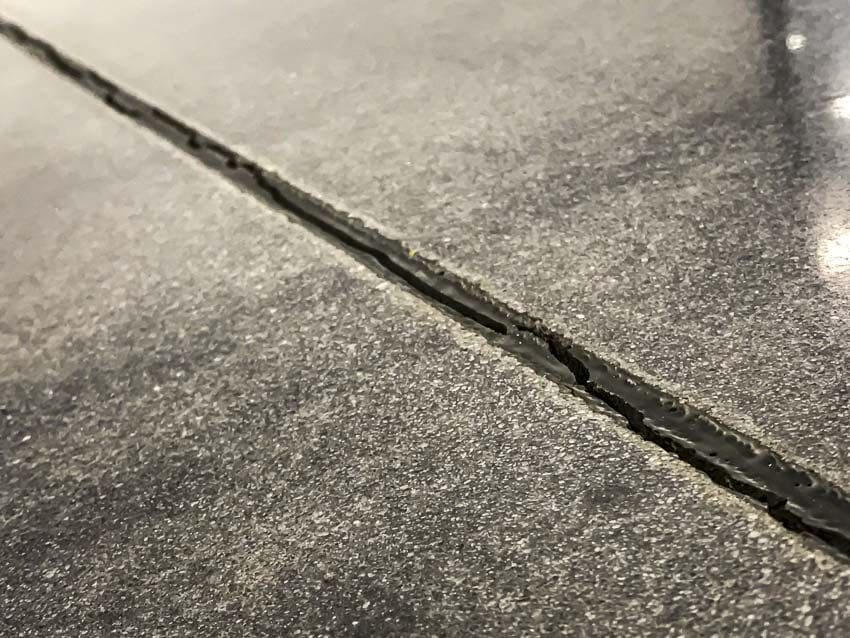
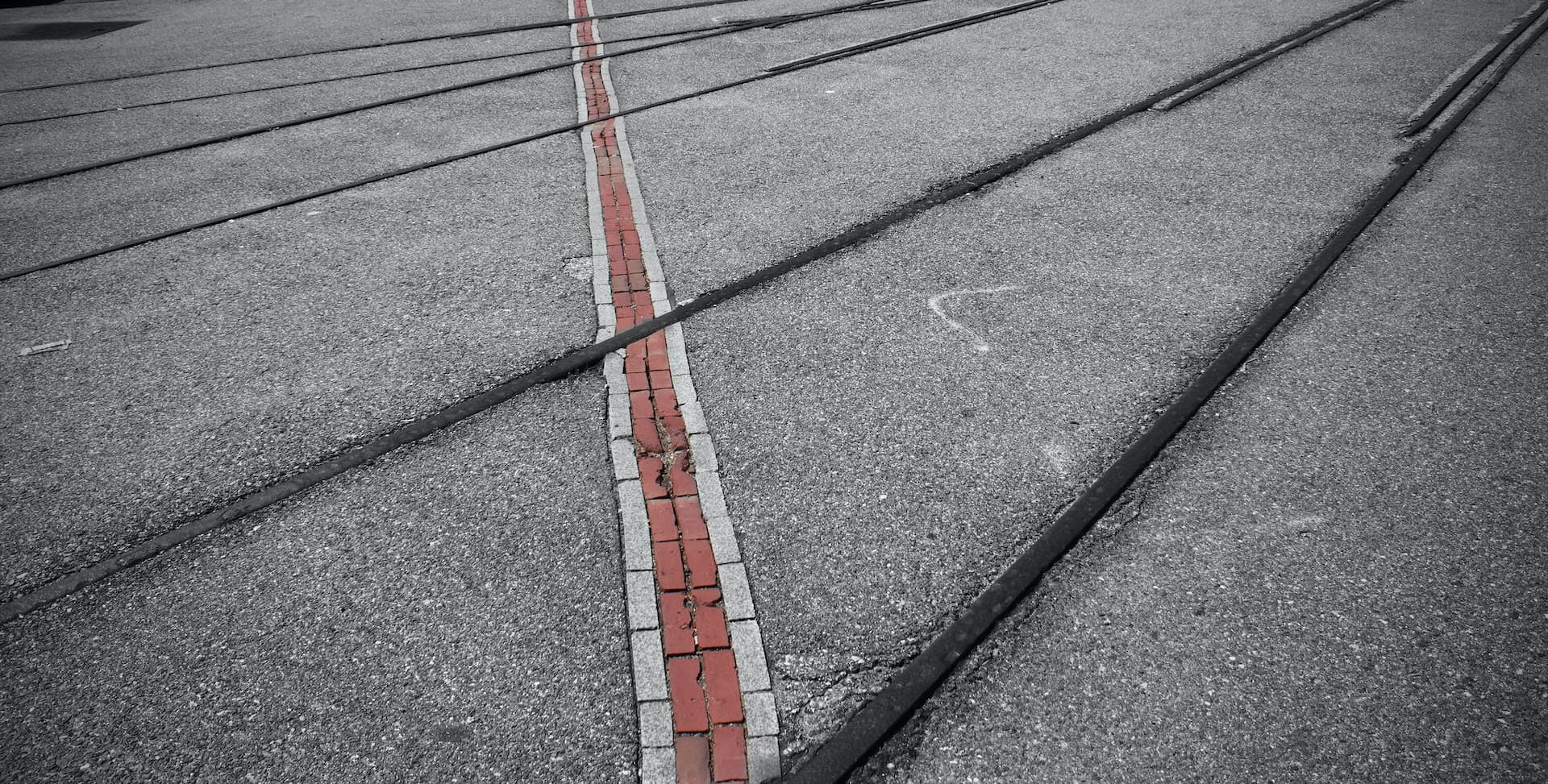
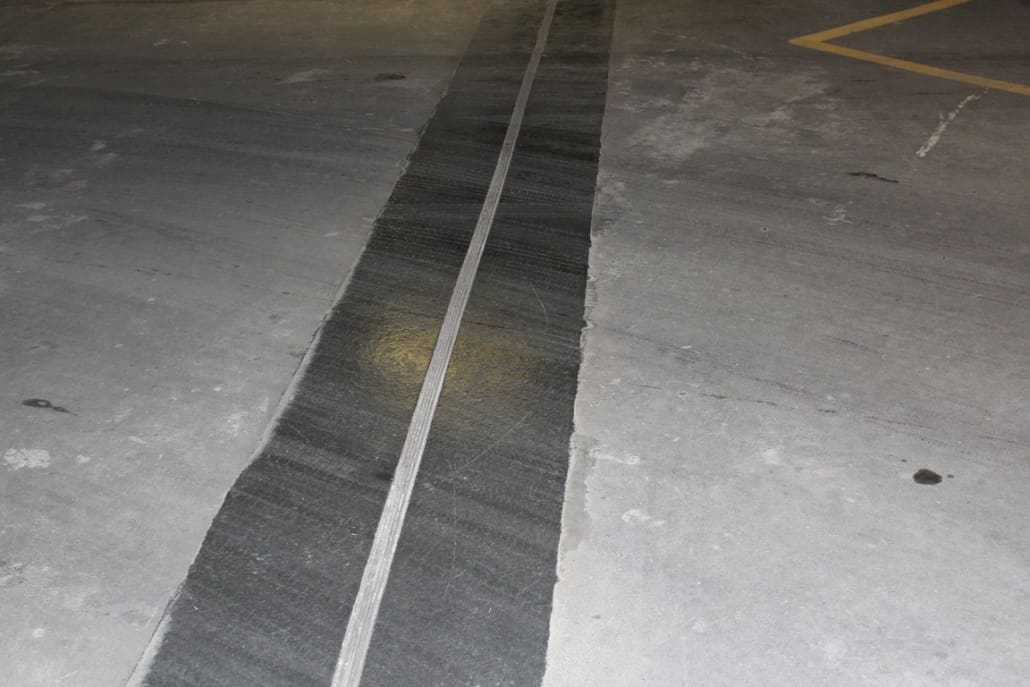
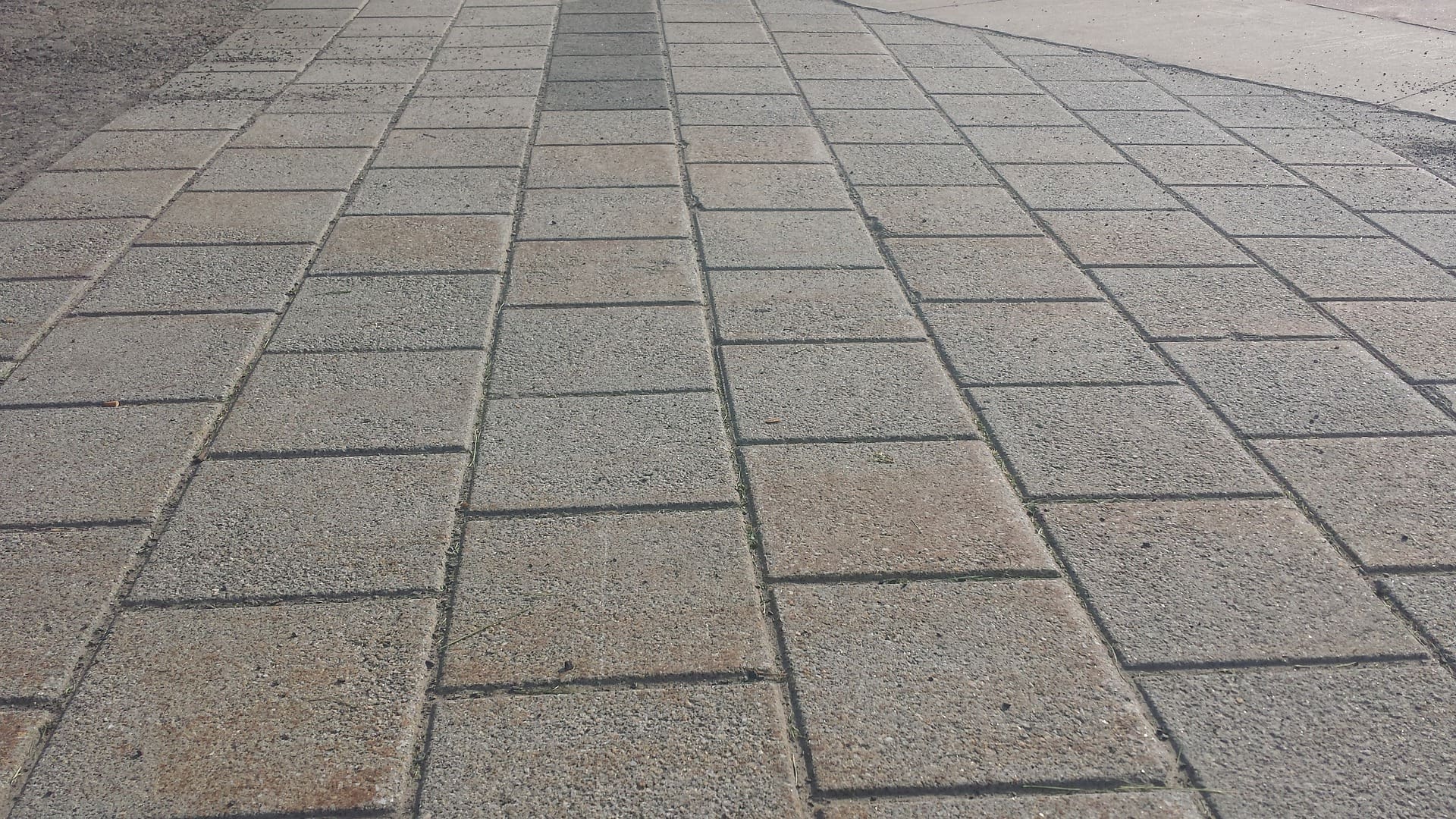
Sure-Seal provides concrete expansion joint and stone expansion joint installation for projects of every scale.
Stone expansion joints keep tile assemblies performing over the long term. Tile exposed to direct sunlight and harsh weather expands and contracts over time, which causes cracking at random points if there’s nowhere for that movement to go.
Installing expansion joints correctly prevents tenting, where tiles pop up at the floor’s centre under pressure. High-traffic roads and surfaces see the same benefit, using expansion joints to reduce damage from climate shifts and heavy loads.
Contact us by filling in the form on our contact page or calling (403) 265-8677.
Movement joints, also called control joints, cover a range of articulations used across construction materials. Each one holds a sealant matched to its application, which is why they’re sometimes referred to as a soft hinge.
Movement joints let material expand without cracking. Between different tile materials, they allow room for expansion and shrinkage through efficient spacing, similar to the separations you see in a concrete sidewalk. Without those junctions, tiles crack, either from shrinking in cold conditions or expanding under sunlight.
Rising temperatures expand materials, and dropping temperatures cause freezing. Wet freezing conditions can trigger both expansion and contraction as moisture freezes.
Engineers and specialists install expansion and contraction joints with every tile to extend its lifespan. In small rooms, an expansion joint is often only needed at the room’s perimeter, hidden under the baseboard. In larger areas, expansion joints become both more important and more visible.
There’s no fixed convention for where stone expansion joints go. Placement and frequency depend on the conditions of the site, harsher climates with more rainfall and sun exposure generally call for more joints, since additional movement joints help prevent tiles from tearing under expansion and contraction stress.
A few factors shape how expansion joints get spaced:
Refraction and vibrations in the substrate arise due to suspension in slabs
Earthquake activity in a specific area
Change in planes and angles of tiles
Types of tiles, stone, concrete, or glass
Compression of the tiles
What Our Clients Say
Sure-Seal is working on 2 jobs related to a parkade. Their helpfulness, personnel attention to detail along with getting deficiencies corrected is second to none.
Absolutely the best services they did building repair were fast and professional i highly recommend sure seal contracting they support our community and the veterans of Calgary
This company is fast and efficient getting the job done the same week I called. Professional service and quality work. They were also under other quotes. I will use them again in the future.
Attention to detail is unmatched by any company I've been with they train you and strive for their workers to be the best in the industry
Roberto and his crew were easy to deal with, on more than one occasion things needed to change due to things happening in the Centre. Sure Seal adjusted to our requests and completed the job.
Good construction company!
Sure Seal were the ultimate professionals. They provided a quote almost immediately and were out to seal my windows within a week. The job they did was outstanding! I’m glad I didn’t try to conquer it myself. There is no way I could have done this good a job! Fair price as well.
Choosing the Right Sealant
A movement joint’s design matters, but the sealant is what determines whether it actually holds up.
Different sealants come with different tradeoffs. Most are weather-resistant with strong elongation and adhesion properties, but fire and acoustic ratings vary by application. Submerged applications call for specialized sealants, and some materials aren’t compatible with stone at all, marking or staining the surface. Choosing the right sealant for the job matters as much as the joint design itself.
Stone and concrete expansion joints are essential to construction, especially in floor tile assemblies. Climate conditions, stress, and pressure cause tile materials to move over time. As materials expand or shrink, expansion joints absorb stress and prevent tiles from wearing down or cracking.
Get professional help sealing and joining your structure or facility. We’ll answer your questions and give you a free quote.
We will answer all your questions and give you a FREE quote. Fill in the form on our contact page or call (403) 265-8677.